Managing Stress and Pressure During the Festive Season

The festive season is often seen as a time of joy, family, and celebration—but it can also be a period of stress and pressure. Understanding what causes these feelings and learning how to manage them can help you enjoy a more peaceful holiday.
What Is Stress and Pressure?
- Stress arises when demands exceed the resources we have—like time, money, or energy. For example, not having enough time to visit family due to work overload can leave you feeling anxious and overwhelmed.
- Pressure occurs when outcomes depend heavily on your performance, or when multiple responsibilities fall solely on your shoulders. Imagine cooking for family, preparing reports for work, and hosting guests all at once—pressure can build quickly.
Stress can be positive or negative:
- Positive stress motivates us to achieve goals, such as organizing a memorable Christmas for loved ones.
- Negative stress harms our health, causing anxiety, headaches, or insomnia, and can make the festive season feel more like a burden than a celebration.
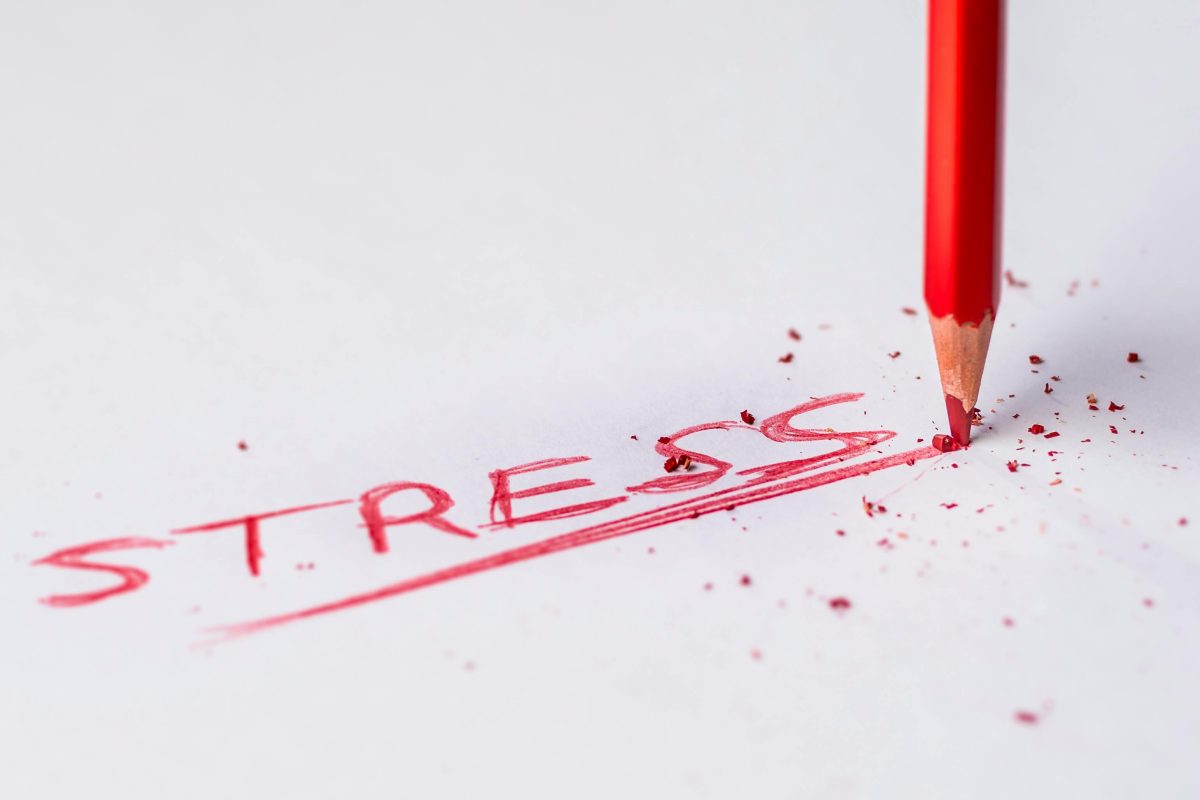
Types of Festive Stress
- Pre-festive stress – Stress before the celebrations due to planning, shopping, and travel arrangements.
- Post-festive stress – Stress after the celebrations, often linked to debt, depleted savings, or pending responsibilities.
- Studies show that 38% of individuals experience stress during the festive season, while only 8% report increased happiness.
Common Causes of Festive Stress
- Family Drama
Holiday gatherings often bring unresolved conflicts to the surface. Disputes about finances, achievements, or family matters can create tension. Managing disagreements calmly—especially in front of children—helps maintain peace.
- Overspending
Gift shopping, festive meals, and travel can quickly stretch budgets. Overspending may lead to financial strain, especially when school fees or other commitments are looming. Planning and sticking to a budget is essential.
- Travel Challenges
Visiting relatives in rural areas or hosting guests can introduce stressors like unfamiliar environments, technical limitations, or logistical issues. Planning ahead and managing expectations helps reduce travel-related anxiety.
- Unrealistic Expectations
Expecting the holiday season to be perfect can lead to disappointment. Not everyone will attend gatherings, traditions may change, and things may not go according to plan. Accepting imperfection helps you enjoy the season as it unfolds.
Effects of Festive Stress
- Anxiety – Small setbacks, like burnt meals or missed deadlines, can trigger nervousness or frustration.
- Substance abuse – Some turn to alcohol or drugs to cope with awkward family situations or personal discomfort.
- Health impacts – Stress disrupts sleep, affects appetite, and can trigger headaches, digestive issues, or fatigue.

How to Manage Festive Stress
- Be Realistic
Accept that holidays aren’t always perfect. Traditions may change, family members may be absent, and minor mishaps will happen. Embracing reality reduces pressure and allows you to enjoy the season.
- Stick to a Budget
Plan spending ahead of time, set limits, and avoid impulse purchases. Learning to say “no” to overspending or unrealistic expectations preserves both your finances and your peace of mind.
- Plan Ahead
Anticipate expenses like gifts, travel, rent, and school fees. Saving in advance prevents financial stress and ensures you can enjoy the celebrations without worry.
- Avoid Comparison and Perfection
Every year is different. Comparing your holidays to last year—or to others’ celebrations—only adds pressure. Focus on what’s positive and appreciate small joys.
- Acknowledge Your Feelings
It’s okay to feel stressed, tired, or anxious. Recognizing your emotions and discussing them calmly with loved ones can help resolve issues and create a healthier, more enjoyable festive environment.
Final Thoughts
The festive season should be a time of joy, reflection, and connection—not anxiety and pressure. By setting realistic expectations, planning ahead, managing finances, and acknowledging your feelings, you can reduce stress and make the holidays truly meaningful.
Remember: Your mental well-being matters—even during celebrations. Take care of yourself and those around you, and enjoy the season to the fullest.