
Attention Deficit Hyperactivity Disorder (ADHD)
Imagine trying to focus on a book while your mind constantly flips through a dozen different channels or feeling like your body is always on overdrive, even when the world around you is calm. This is what life can feel like for someone with Attention Deficit Hyperactivity Disorder (ADHD). ADHD is a neurodevelopmental condition that affects how the brain regulates attention, impulses, and activity levels. It often begins in childhood, but its impact can continue into adolescence and adulthood.
ADHD is one of the most common neurodevelopmental conditions, alongside Autism Spectrum Disorder, intellectual disability, specific learning disorders, communication disorders, developmental coordination disorder, and tic disorders. These conditions reflect differences in how the brain develops and functions, influencing learning, movement, communication, attention, and social interaction from an early age.
Children with ADHD are often misunderstood as they may be labeled careless, lazy, or disruptive, when in reality they are frequently working harder than their peers just to manage attention and behavior. ADHD typically presents through inattention, hyperactivity, and impulsivity, and while symptoms may change over time, many people continue to experience aspects of the condition throughout life.
Inattention
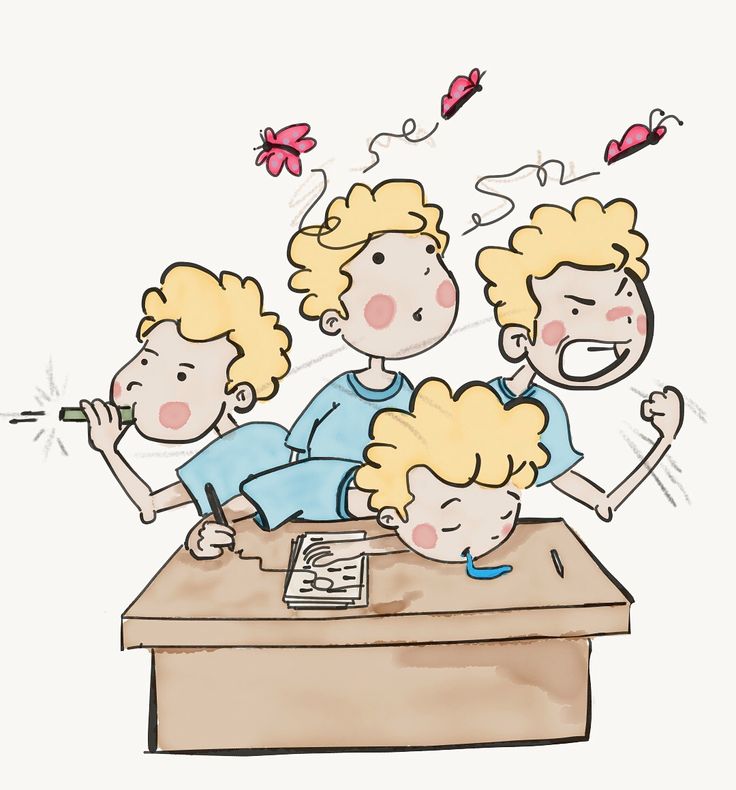
A key feature of ADHD is inattention. In school, a child may frequently daydream, lose their place during lessons, or make careless mistakes. Following instructions or completing tasks can be a daily challenge.
Many children with ADHD must constantly “police their brain,” redirecting their attention repeatedly. This requires significant mental energy and can leave them exhausted by the end of the day.
For many children, the hardest part is not the difficulty with attention itself, but the constant feeling of being told they are doing something wrong. Hearing phrases like “pay attention,” “sit still,” or “stop interrupting” dozens of times a day can affect self-esteem, even though the behavior is often beyond their control.
Hyperactivity and Impulsivity
ADHD also often includes hyperactivity and impulsivity. Children may struggle to remain seated, frequently fidgeting, tapping, or moving around. Many describe feeling a constant physical urge to stay active.
Impulsivity can cause a child to blur answers before a question is finished or interrupt conversations. These behaviors are rarely intentional misbehavior as they reflect difficulties with self-regulation.
Many children with ADHD expend far more mental effort than their peers just to complete ordinary tasks. While classmates may finish the same work almost automatically, children with ADHD must continuously refocus, which can be exhausting. Children may forget routine tasks. For example, a child may be asked to get dressed but be found playing with toys minutes later, having completely forgotten the original instruction. Losing everyday items like homework or lunchboxes is common. Simultaneously, many children exhibit high energy, often seeming “driven by a motor.”
ADHD as a Strength
While ADHD can create challenges, it can also bring unique strengths. Many individuals with ADHD are highly creative, curious, and energetic. Their rapid thoughts allow them to make unexpected connections and solve problems in innovative ways.
Children with ADHD may experience hyperfocus, concentrating intensely for extended periods on subjects that capture their interest. For these reasons, ADHD is sometimes described as a kind of “superpower.” With the right support, these strengths can flourish.
ADHD and Substance Use in Adults
ADHD often persists into adulthood and can influence different areas of life. Research shows that adults with ADHD may have a higher risk of substance misuse, including alcohol, nicotine, or drugs. Impulsivity and attempts to self-medicate symptoms such as restlessness, stress, or difficulties with focus can contribute to this risk. Proper diagnosis and treatment can significantly reduce these challenges.
Diagnosis and Treatment
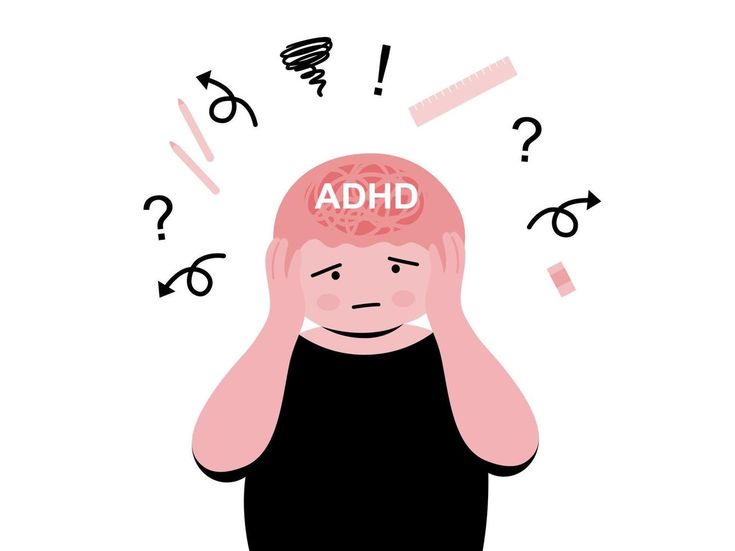
Diagnosing ADHD typically involves a comprehensive assessment conducted by a qualified professional such as a psychologist, psychiatrist, or paediatrician. The process often includes interviews with parents, teachers, and the child, as well as behavioural questionnaires and observations across different settings such as home and school. Because many children may occasionally show symptoms like restlessness or forgetfulness, professionals look for persistent patterns of behaviour that significantly affect daily functioning.
Once diagnosed, there are several effective approaches to managing ADHD. Treatment often involves a combination of strategies, including behavioural therapy, educational support, and in some cases medication. Behavioural interventions can help children develop organizational skills, emotional regulation, and coping strategies.
Medication may also be recommended in certain cases to help improve attention and reduce impulsivity and hyperactivity. When combined with supportive parenting strategies and school accommodations, treatment can significantly improve a child’s ability to function and succeed.
Supporting Children with ADHD
Parents can help children by creating structured routines, breaking tasks into smaller steps, and offering positive encouragement. Activities that allow children to channel energy such as sports, art, or creative projects can also be highly effective.
If ADHD is suspected, consulting professionals such as psychologists, pediatricians, or educational specialists can help provide assessment, guidance, and support.
Conclusion
ADHD presents real challenges, particularly in settings that require prolonged focus and self-control. However, it does not define a child’s potential.
With understanding, guidance, and the right support, children with ADHD can learn to manage difficulties while developing their unique strengths. Many grow into creative, energetic, and resilient adults who contribute fresh perspectives and ideas to the world.
Recognizing both the challenges and hidden effort of ADHD allows parents, teachers, and communities to support children in a way that helps them thrive not just survive.


I literally love the document. As a psychologist reading this, it’s well explained and so conversant.