
Understanding Mental Health
Before 2021, I genuinely believed that depression was a rich man’s disease. I grew up thinking that my background had made me tough, that the struggles I had been through had built a kind of armour around me that meant I could never experience something like depression or suicidal thoughts. So when I heard about people dying by suicide, my first thought was that they must have been wealthy, comfortable people with too much time to think. I said this out loud. I agreed with others who said the same thing. And I was wrong.
Thinking about it today, I feel for my younger self not with shame, but with understanding. I was not taught about mental health. It was never discussed at home, never brought up in school, never part of any conversation I was included in. And if that was my experience, I have to ask how many people are still where I was? How many people are still calling it a rich man’s disease? How many of us are still saying “committed suicide” instead of “died by suicide?” That small difference in language matters more than most people realise. Saying someone “committed” suicide treats it like a crime. Saying someone “died by suicide” treats it like what it is a death that could have been prevented with the right support and awareness. This article is about that awareness. It is about helping each other understand what mental health really is, and why it belongs to all of us.
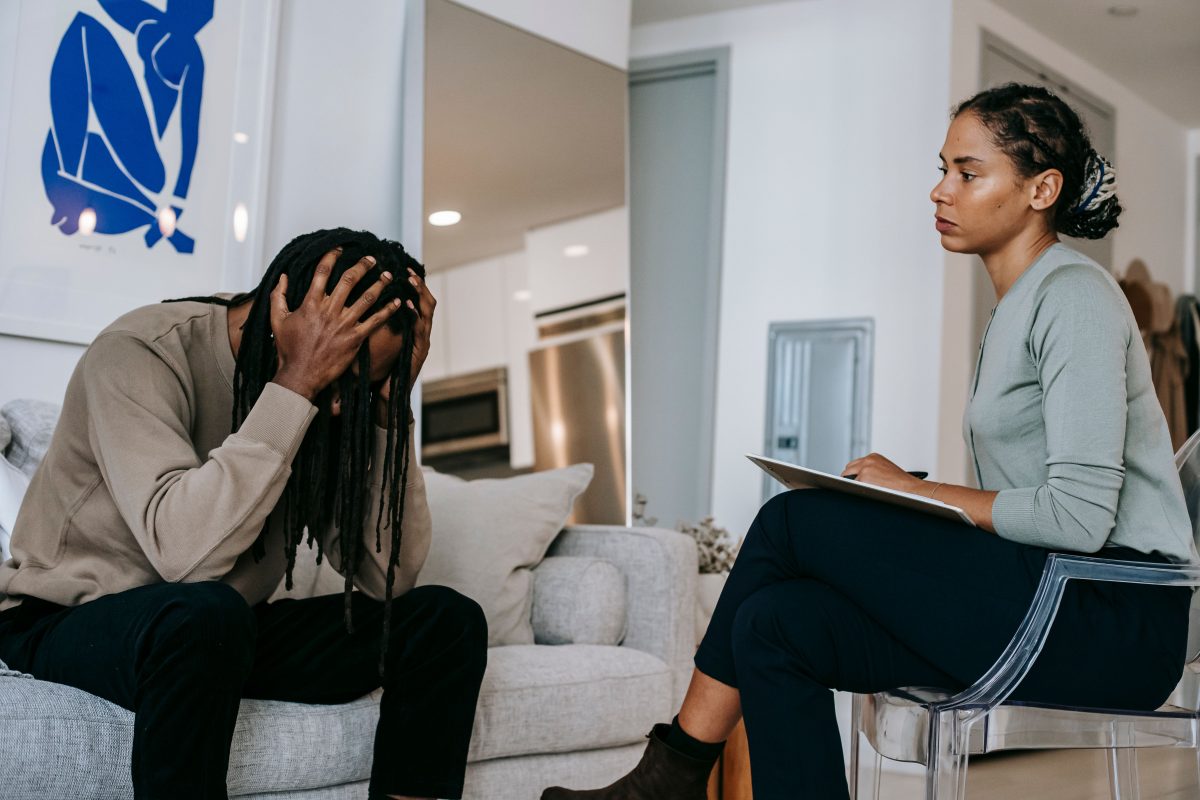
Mental health is simply how you are doing on the inside emotionally, psychologically, and socially. It affects how you think, feel, handle stress, make decisions, and relate to the people around you. Everyone has good days and bad days. When your mental health is in a good place, life feels manageable. When it is not, even the simplest things can feel overwhelming. One of the biggest misconceptions is that mental health is only a concern if you have a formal diagnosis. That is not true. The absence of a diagnosis does not mean everything is fine, just like the absence of a cast on your arm does not mean your body is in perfect health.
Checking on your mental health does not require a therapist or a special process. It starts with pausing and being honest with yourself (kujiita mkutano). Ask yourself simple but important questions how have I been feeling lately? Am I sleeping and eating okay? Do I still enjoy the things I used to? Have I been pulling away from the people around me? These questions sound simple but most of us never stop to ask them. We wait until we are overwhelmed before we pay attention. Try to set aside a few minutes every day, maybe in the morning, before bed, or during a quiet walk, to check in with yourself honestly. And when something feels off, talk to someone. A friend, a family member, a counsellor anyone you trust. You do not need the perfect words. Simply saying “I have not been feeling like myself lately” is enough of a place to start. Carrying things alone always makes them heavier than they need to be.
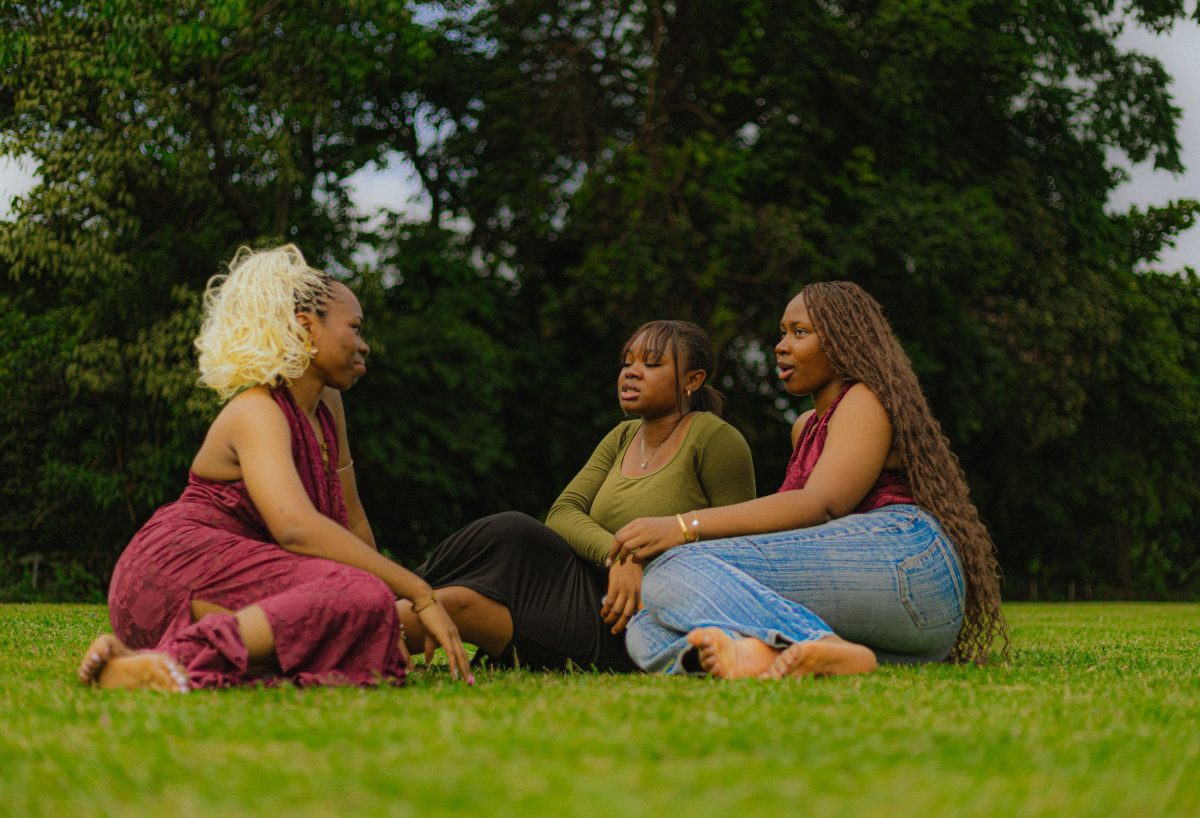
I also think about the role we play for the people around us. The same way no one taught me about mental health, I could easily pass that silence on. But I do not want to. If you have younger siblings, younger cousins, young people in your life talk to them. Be open. Normalise the conversation early so they do not spend years carrying misconceptions the way we did. Check on your friends too, especially the strong ones. Especially the ones who are always showing up for everyone else and never seem to struggle. Those are often the people who need someone to check on them the most.
To teachers and educators, you have a classroom full of young people who may never hear about mental health anywhere else. Please talk about it. Not once, but regularly. Help students understand what it is, how it affects everyone regardless of background, income, religion, or profession, and create space where they feel safe enough to ask questions. Mental health does not pick and choose. It does not care how tough your upbringing was or how strong you appear. It affects everyone.

I wish someone had told my younger self that. I wish someone had sat me down and said “your struggles are real, your feelings are valid, and asking for help is not weakness”. I am saying it now, to anyone who needs to hear it. Take your mental health as seriously as you take your physical health. Check in with yourself. Talk to someone. And let us be the generation that finally stops treating this as something to be ashamed of or something not important to be taught. Let’s make a sound mental health life
Happy Men’s Mental Health Awareness Month!
From Sound Mental Health
By Sean Shiroko, Psychologist
Contact: shirokosean@gmail.com | 0791088864