Understanding Addiction: Causes, Types, Treatment & Prevention
What Is Addiction?
Have you ever wondered what makes you hooked on your smartphone, a specific comfort TV show, or even a particular person? Well, it is likely that you are developing an addiction. Often termed the new pandemic, addiction, or substance-related and addictive disorders, is a chronic mental health condition characterised by compulsive substance use or risky behavioural patterns that negatively impact an individual’s life.
The World Health Organization (WHO) reported in 2024 that there are approximately 600,000 annual drug-related deaths and roughly 39.5 million cases related to substance use disorders (SUDs). The report also stated that marijuana is now the preferred drug of choice among young people globally, overtaking alcohol.
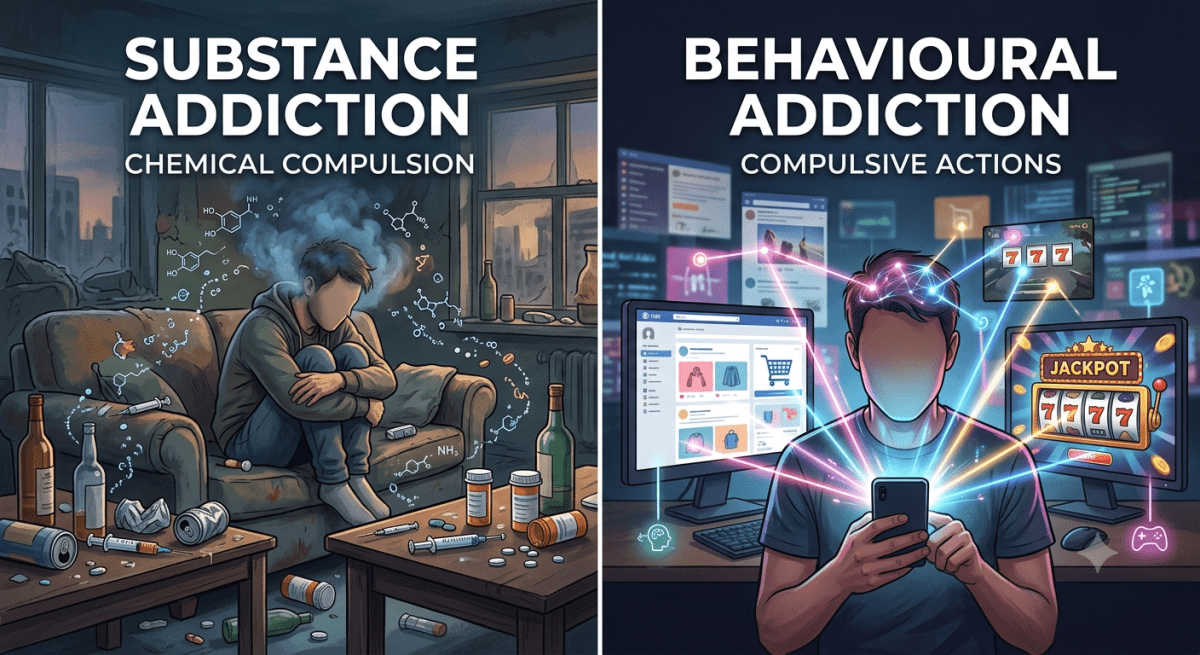
There are two types of addiction: substance addictions and behavioural addictions.
A. Substance Addictions / Substance Use Disorders (SUDs)
This involves the obsessive use of drugs and substances despite their effects on the user’s day-to-day life. These include:
- Marijuana Use Disorder
- Alcohol Use Disorder
- Tobacco Use Disorder
- Khat Use Disorder
- Opioid Use Disorder
Aside from conventional drugs, SUDs also involve dependence on prescribed and medicated drugs. Their consumption can result in feelings of euphoria, false confidence, and altered states of reality, encouraging users to seek more of the substance.
B. Behavioural Addictions
These are obsessive and maladaptive habits performed in pursuit of rewards despite their negative impact on individuals. They include:
- Internet Addiction
- Technology Use Addiction
- Gambling Addiction
- Gaming Addiction
- Sex Addiction
Behavioural addictions are currently a relatively new concept, with research still ongoing. The aforementioned conditions are recent additions to the DSM-5 diagnostic framework.
Factors Leading to Addiction
While addiction has no single cause, evidence-based research shows that several factors contribute to its development. These include:
- Genetics
These are hereditary traits that influence physiology, behaviour, and personality. In addition, these traits affect an individual’s tolerance, impulsivity, and brain reward systems. Genetics also correlates with one’s environment, hence the “nature versus nurture” theory.
- Environment
Early exposure to substances and maladaptive behaviours increases the risk of addiction. Trauma and stress within the surrounding environment may also lead to substance use as a means of escaping reality.
- Social Influences
Peer pressure significantly affects an individual’s use of substances. For instance, spending considerable amounts of time with alcohol users may lead to alcoholism. Similarly, spending time with individuals who have gambling dependencies may increase the likelihood of long-term gambling addiction.
- Mental Health
The state of an individual’s mental wellbeing plays a significant role in addiction. Depression, anxiety, mood disorders, and trauma-related disorders can be overwhelming, causing some individuals to resort to substance use as a coping mechanism. Furthermore, the presence of one disorder may often lead to another, a phenomenon known as comorbidity.
- Brain Chemistry
Our brains are evolutionarily wired to seek rewards, promoting habit formation. This serves as both our greatest strength and our greatest weakness. Substance use floods the brain with “feel-good” chemicals such as serotonin and dopamine, resulting in positive reinforcement. Long-term use increases tolerance, meaning the body demands more of the substance to maintain the same level of pleasure.
Treatment and Intervention
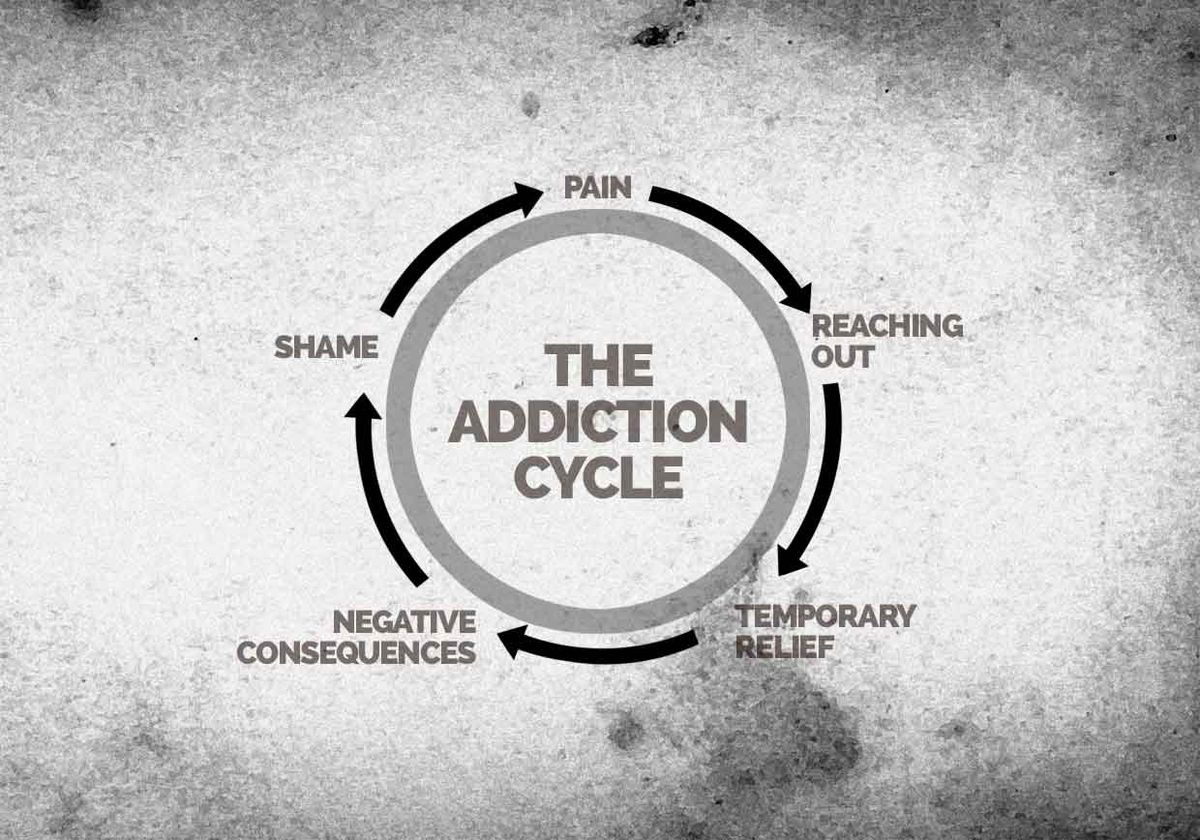
Addiction is a long-term condition that affects both the individual and their support system. Fortunately, treatment involves a multifaceted approach that emphasises acceptance, empathy, and evidence-based techniques delivered by qualified practitioners. These techniques include:
Psychotherapy
This involves both holistic and scientific approaches to treating substance and behavioural addictions. Techniques such as Cognitive Behavioural Therapy (CBT), family therapy, and group therapy are effective in addressing negative thoughts and behaviours.
Pharmacotherapy
The use of medication can help address withdrawal symptoms and cravings associated with SUDs. These medications may also assist in treating underlying mental health conditions such as depression, anxiety, and trauma.
Support Systems
Individuals in recovery often require the support of family, friends, or trusted acquaintances to help mitigate negative thought patterns and cravings. Strong support systems promote accountability and boost morale throughout recovery.
Learning More About Addiction
Equipping oneself with knowledge prepares individuals for the challenges of addiction recovery. This helps reduce the risk of relapse (the return of habits after recovery) and empowers individuals throughout the recovery process.
Coping Mechanisms
People in recovery are encouraged to develop healthy habits to manage stressors, such as exercising, journalling, and practising mindfulness or meditation. These activities can replace unhealthy coping mechanisms associated with addiction.

Addiction Prevention
Both substance use disorders and behavioural addictions remain heavily stigmatised and underreported in many countries. Individuals affected often have limited access to information and treatment. This is why ongoing research is increasingly focusing on prevention science, aiming to address addiction before it develops. Outreach efforts often begin at the grassroots level, empowering families and communities with preventive knowledge about addiction.
Conclusion
People in recovery need compassion, support, and empathy throughout their journey towards sobriety. If you or a loved one is experiencing symptoms of substance dependence or behavioural addiction, start your recovery journey with us today. We are here to support you every step of the way.
By Kinyan, Psychologist | kinyanjuimoses235@gmail.com